Out Now - The Alf Jacket World Cup 1966 Inspired
New Summer Sky Blue Collection 66 & Modshoes

Spotting the G. – A Short History Personal History By Mark Baxter

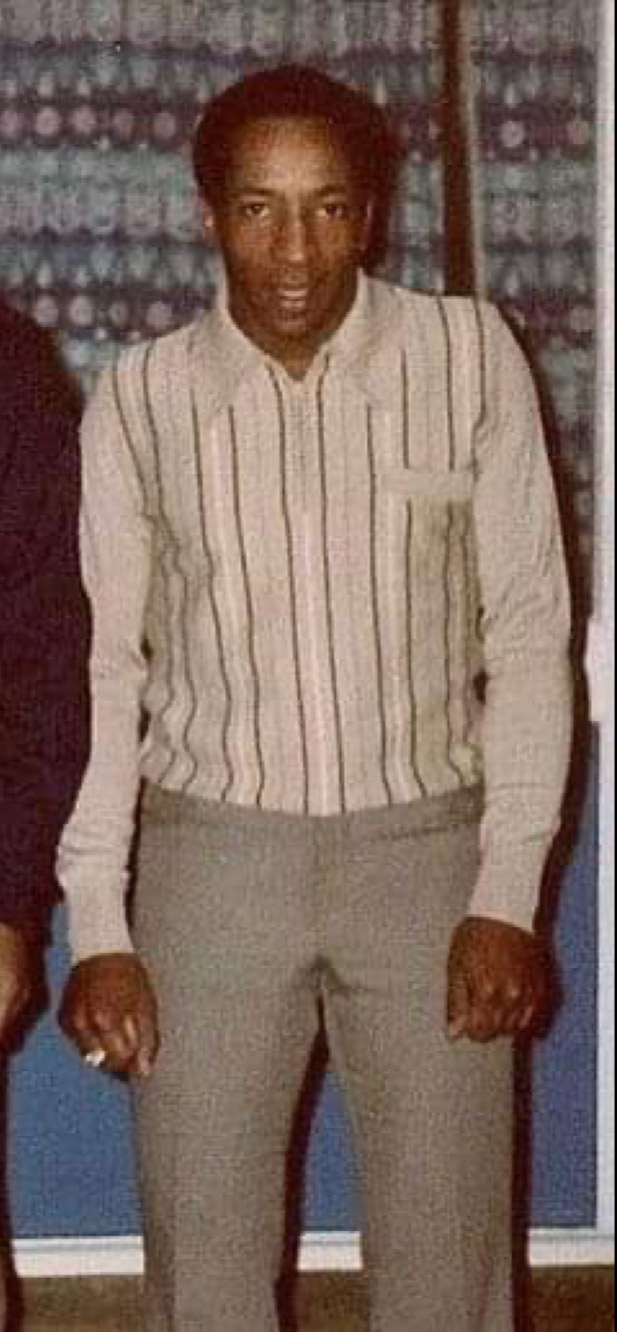
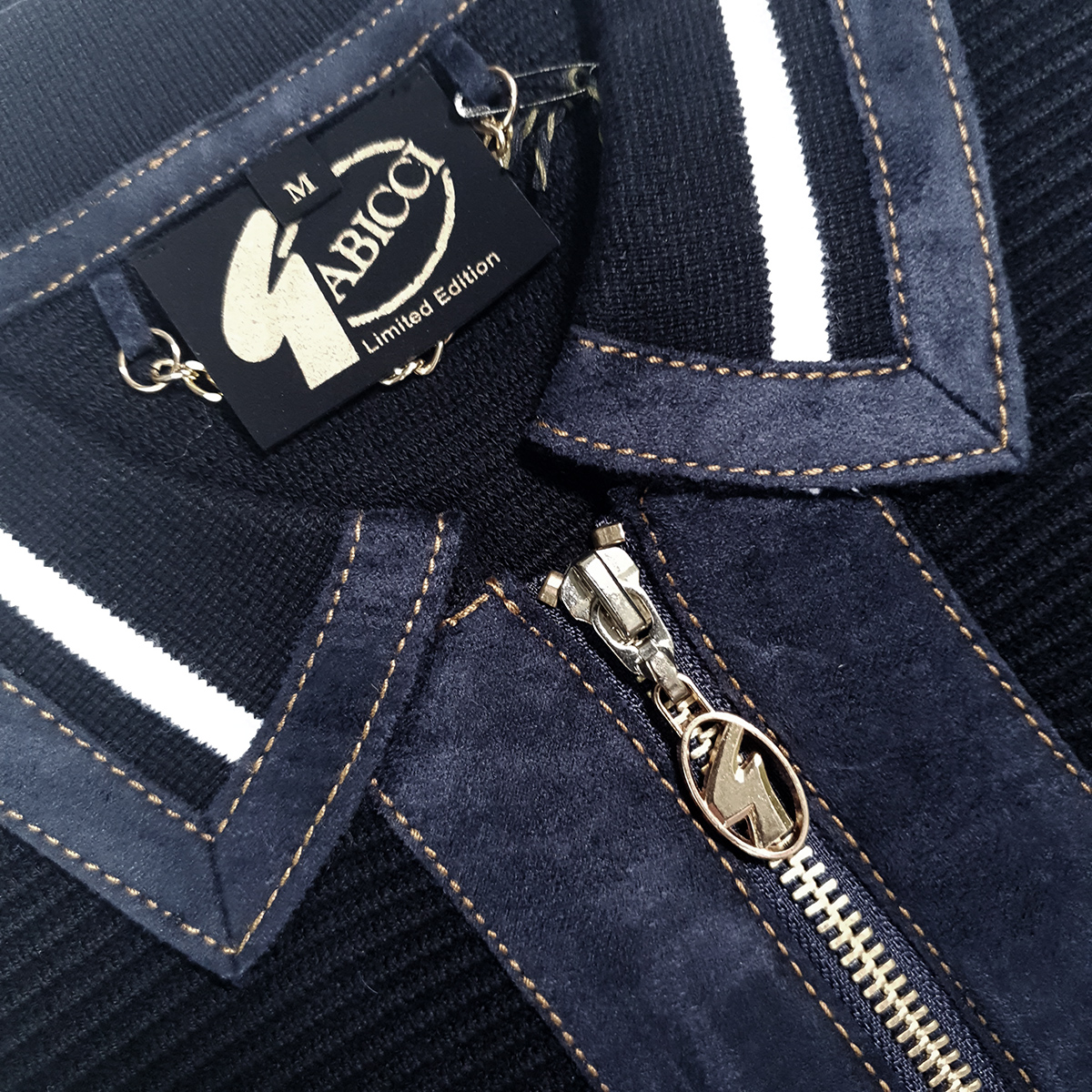
I think it’s fair to say that back in 1973, when Alex Pyser and Jack Sofier came up with the concept of the knitwear brand Gabicci, they had no real idea of just how widespread the whole thing was going to become. For a good 10 years or so after the launch, the famous G logo was simply a must have among a large part of my immediate locale. I would have been 11 that summer and just beginning my journey into the clothes obsessed person I was to become. Even at tender age, it wasn’t enough to want a Gabicci. No, I simply needed to have one to keep up with my peers on my council estate.

Named after the Italian seaside town of Gabicce Mare, these smart, colourful casual knitted tops, were all over the streets that surrounded me. I’m not overstating it by saying that by the late 70s, the various styles and colours were omnipresent and worn by a wide cross section of who I knew.

There was us pre-teenage kids wearing ours which in truth, were a little too big for our growing frames. But we sported them with our chests puffed out trying to be like the older kids, who fitted nicely into theirs.

Gabiccis’ s could be spotted worn by black cab driving dads of mates of mine, in a look that I’ve called ‘Taxi Driver Chic.’ Picture in your mind’s eye if you will, it teamed with a pair of black and white hounds tooth slacks, a suede or leather zip up blouson jacket, checked flat cap, and maroon slip on, fake crocodile skin shoes. The look would be completed with a gold chain hanging the round the neck of a Gabicci, its shiny gold picking up the metal G logo on the knitwear and the chain affixed to the shoes.

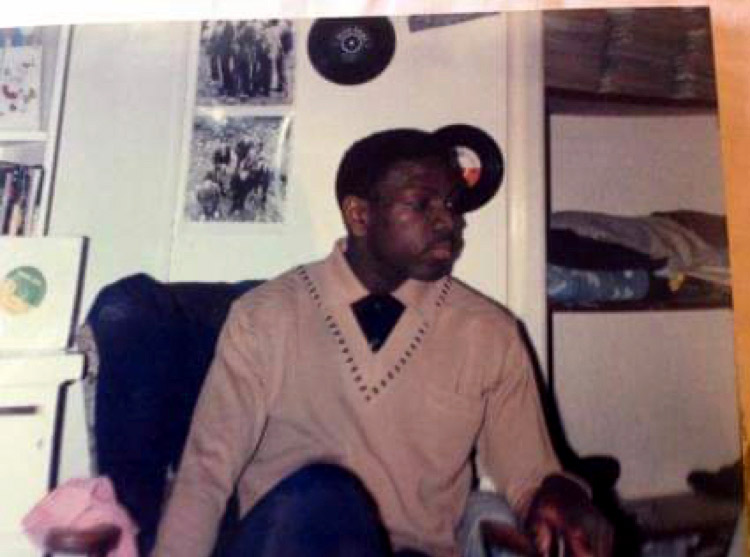
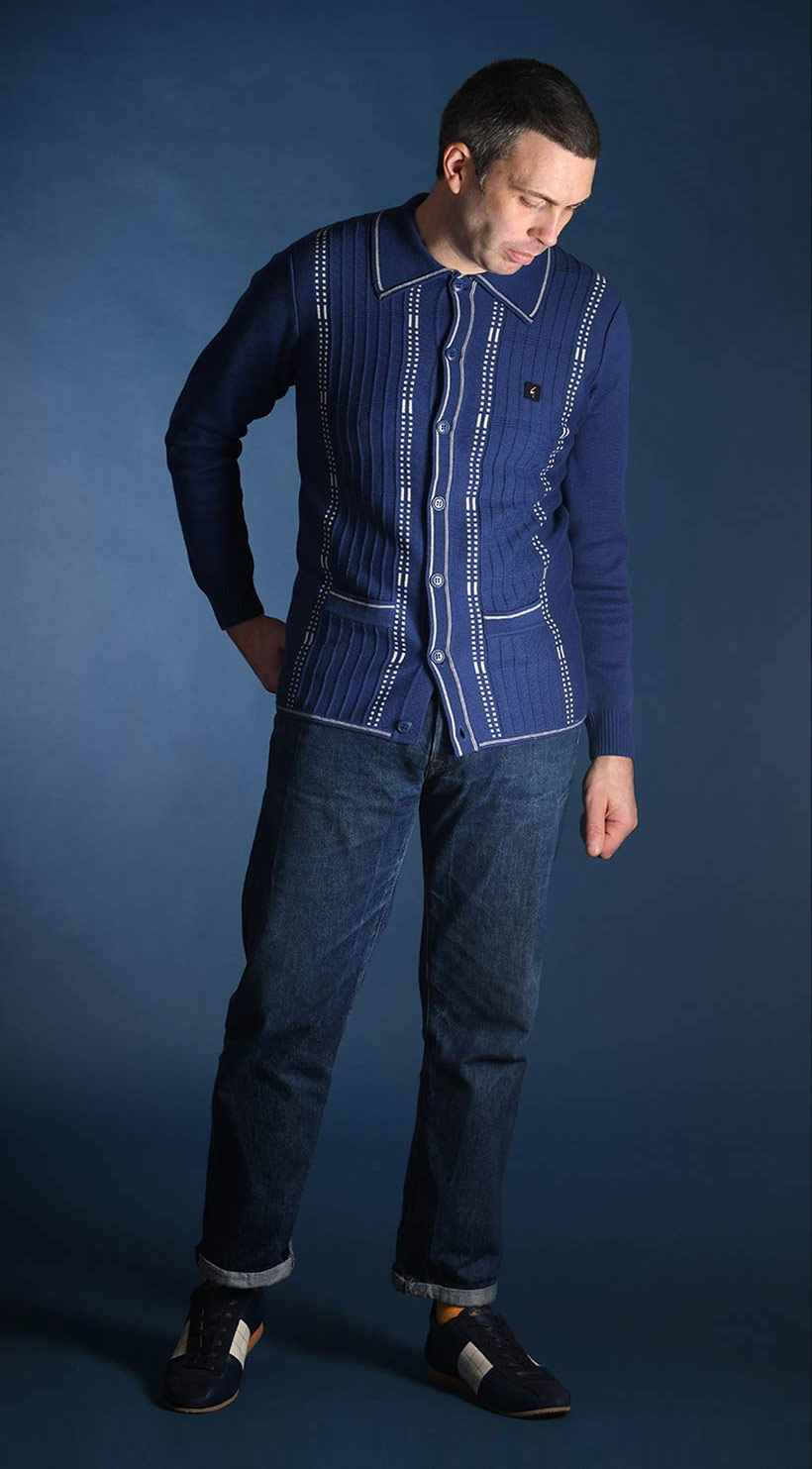
Conversely, it was also the knitwear of choice of the funky dreads who ran the local sound systems, which proliferated the area of Camberwell and Peckham that I lived in. The button through, collared cardigan was the favoured style here, and these were sported in an amazing variety of clashing colours, with suede panels of a contrasting colour stitched neatly onto the front. Closing my eyes to think of the rest of the outfit, I immediately conjured up the image of ‘The Cool Ruler’ himself, namely the singer Gregory Isaacs. He always looked crisp back then, his Gabicci worn under a nicely tailored two-piece suit, finished off with a large ‘toned in’ tilted hat, keeping his locks under control.

Finally, there were the geezers who drank down the Old Kent Road in a wonderful array of pubs, cocktail bars and gin palaces that once lined that historic thoroughfare. These chaps had certain elements of the taxi driver mentioned earlier, but they were younger and more like cut price ‘Del Boys’, giving it ‘large’ with their wedge haircuts and white socks betraying their Soul Boy connections. Many could also be found on the terraces of London football clubs, trying to stand out from the crowd, but in truth, looking the same as everyone in their fraternity.
The brand then had a brief flirtation with the start of the ‘Causal’ scene of the early/mid 1980s, where eventually names like Fila, Sergio Tacchini, and Diadora began to take over, as we all became ‘label slaves’ and Gabicci began to slip away.

Of course, that is the way of all things in fashion and style. I, like many others, simply moved on. But my admiration for the brand was such that I decided to keep my favourite orange and brown Gabicci cardigan. I just could not part with it, and I still have it today, though it appears to have shrunk over the years. Go figure?

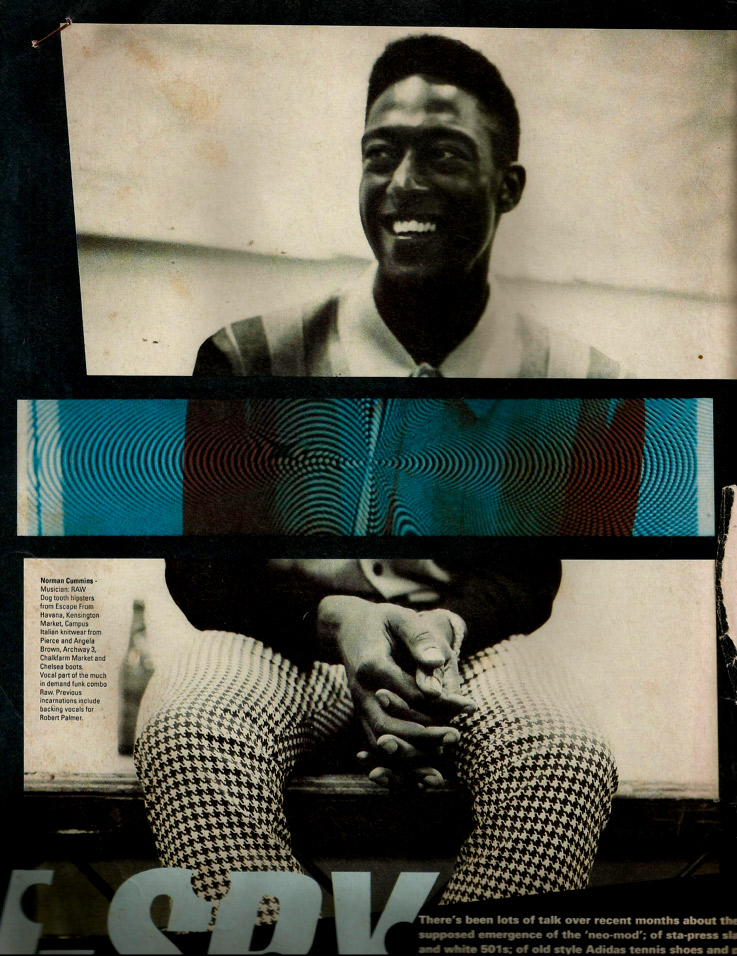
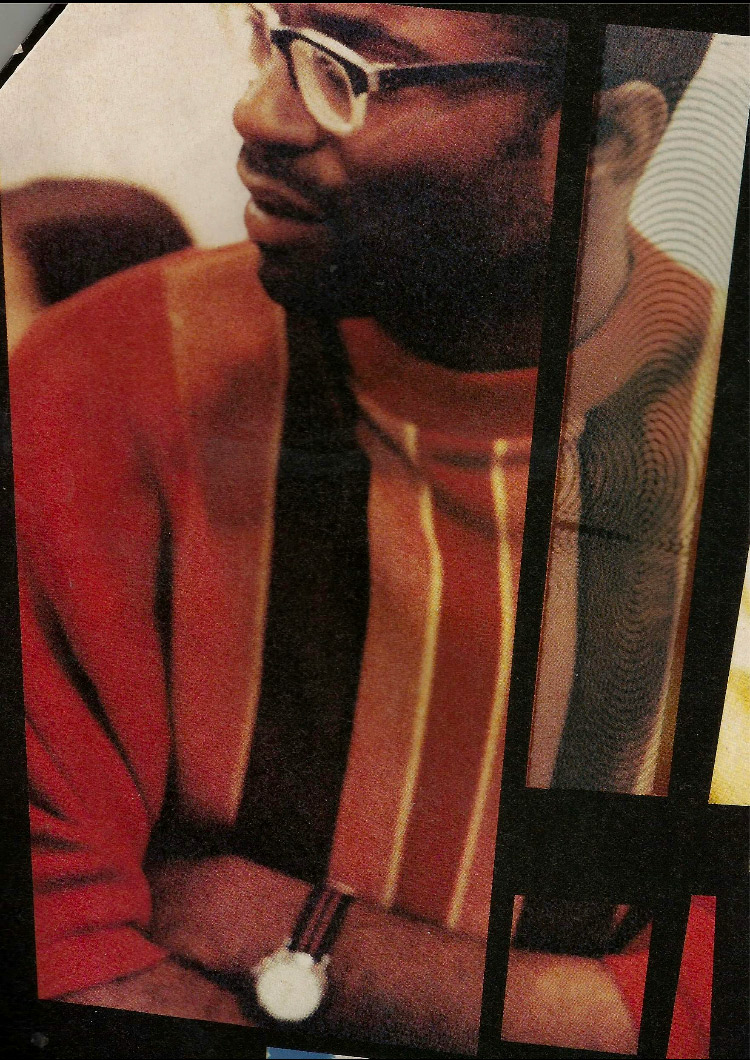
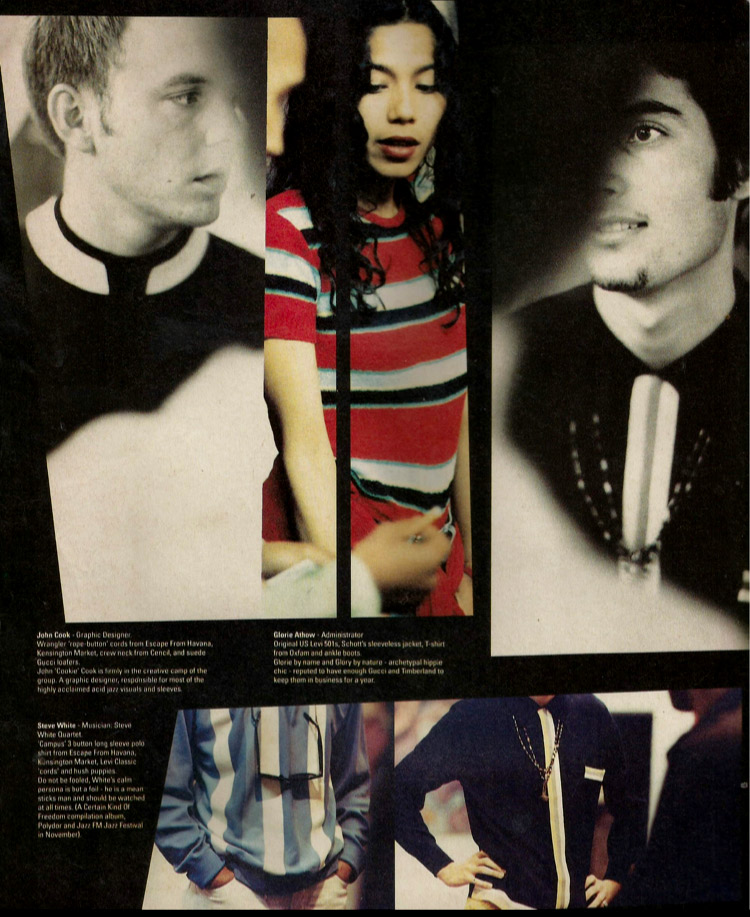
But like all good clothing, nothing ever really dies and the early 1990s saw ‘Neo Mod’ and Acid Jazz become a thing, covered by articles in the likes of i-D magazine, which highlighted the clothing the likes of The Paul Weller Movement and The Young Disciples were wearing back then. It was mixture of vintage and new and it happened to be very Gabicci in look and feel. Indeed, at that time, one or two companies introduced styles that nodded back to Gabicci in its pomp. Around 1994/5, the clothing company The Duffer of St. George, got closest with their seminal ‘Yardie Cardies,’ which once again became a ‘must have’ among those around me.

And now in 2022, it is with some delight over the last couple of years, to see the G of a Gabicci being spotted here, there and everywhere. Not a day goes by without noticing the Gabicci brand in its current incarnation, once again setting the pace.

My social media pages buzz with their latest designs and styles, which then appear in many a pub and club, worn not only by those who remember them the first-time round, but also a new breed discovering it all for the first time.

All of which does my old-style obsessed heart, the power of good.

Long may it continue.

Mark Baxter
Spring
2022.
 

Thank You’s & Highlights of 2021

Highlights

There are so many this year

—————-

Graphic 01

Launching the Icon range – Day Tripper & Cafe Bleu tshirts
The Get Back Shirt
Lizzie Shoes collobration

————-

Graphic 02

Our shoes on the telly – Rose, one show & Sunday brunch, Doctor Who, Andi Oliver the chef on Googlebox

———————–

Graphic 03

Paul Weller , Steve Cradock and the weller band wearing on tour
Seeing Mani wearing our Tshirt at Film Premiere and finding out he was a customer :-)
Being featured in the Modculture top brands, and one to watch in the future
Steve Diggle wearing our Jacket recently

———————–

Cameras

There are too many shoes to mention, but doing more Vegan shoes has been a good thing to do, i know nicky was

very chuffed with the Apple Stellas

We moved , which allowed us to do more of these lives, and

It was sad to see Rambo go, but she helped us get to the next bit, and me make the diffucult decsion that we had

to move

Rea Joining us, has been fab, and allowed us to do more video and social media

Behind the scenes we have so many that help in so many different ways

So in no specific order i just need to thank them

Andrew Money and his lovely wife (and driver) Linda
Jason Brummel, Andrew ingram, Martin Gainsford and the rest of MCF
Simon Parr and Tom the mod
Jonathon Reeves and Russell
Elliot Easton for endless conversations about music, and the beatles
Terry Rawlings & Steve Diggle for proper drunken talks at the office
Rambo
Nicky weller for helping
Lizzie for the design
Izzy stomps out there in Italy
Tim wilson
Peter Jackson and all beatles fans everywhere

——————-

Ambassadors Graphic

Catlin, Connie, The meyer dancers, pin up pug mother, david suede, aly googins, kirstin, sixties seeker

And of course all our Ambassadors
There are so many, and of them provide so much beautiful content and make it a joy to see thier pictures,

espically on a grey boring day

—————————

Cameras

Modshoes lives regualrs
Pete Cole and Tina, julia duff
Rolo

and the team here at modshoes, and its cast of extras

Rea on social media & normally here with me, Lee in despatch

Sarah & William & Andrew Jinks when we moved

Liam for bilding the studio we are sat in now.

Terry Grant , for endless enthusaim , listening to my thoughts about everything mod, for my mental health when it

needs attention and those great graphics for the icon range

Gemma for helping and getting my focus sharper with video

Luke want to thank you for all those shows at the start of 2021 , i still have people thanking me for them.

Lockdown was horrible, and they have said how me and you talking cheered them up.

And lastly possibly the most important

My Beautiful and long suffering wife Nicky

But i musnt forget the biggest thank you to all our customers for thier conituned support.

And the thing that pleases me so much is that on Christmas day i will be walking round and thinking about the

people opening thier presents, and they are really pleased they got something from Modshoes and 66, becuase that

brings me joy that something we did makes so many people happy :-)

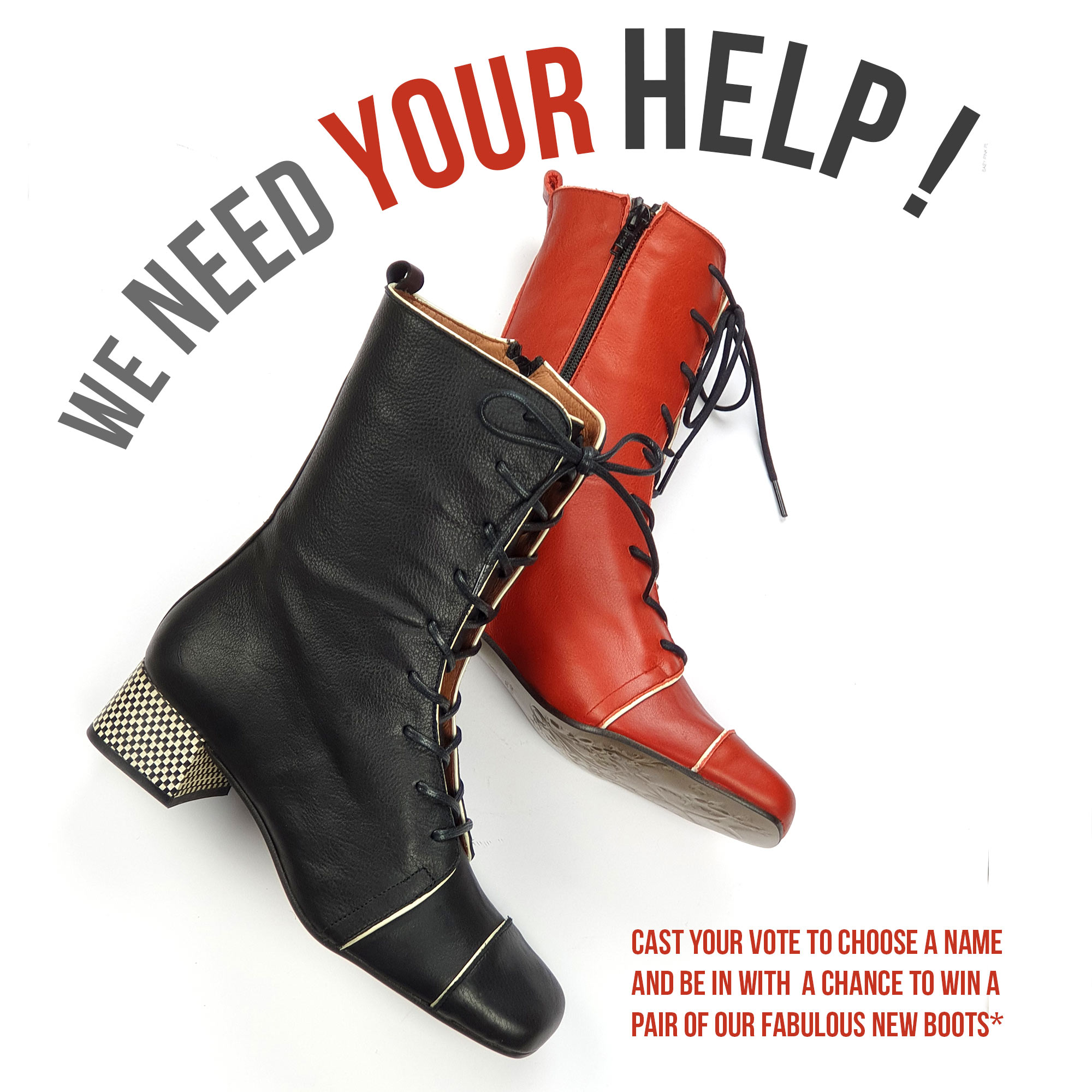
New Fabulous Boots ‘We Need A Name’ Competition

Cast your vote to choose a name, and be in with a chance to win a pair of our fabulous new boots*

Good luck everyone :-)

NOW CLOSED >> WINNER TBA ON MODSHOES LIVE TUESDAY 5TH OCT

T&C’s

  1. One entry per person
  2. Open World Wide
  3. Valid Email Address Required
  4. Competition Closes Monday 4th Oct 2021 at 9am (GMT TIME)
  5. NO Cash Alternatives
  6. Winner will be notified by email on Monday 4th Oct 2021
  7. Winner aanounced on Mod Shoes Live Tuesday evening
  8. T&C’s may be revised subject to the discretion of Mod Shoes

Everybody’s gone Stylin’… Stylin’ USA

The Sixties! It is a well-known story of an unprecedented explosion of creativity and freedom heralding in a brave new world until its bitter and acrimonious collapse at the turn of the Seventies.
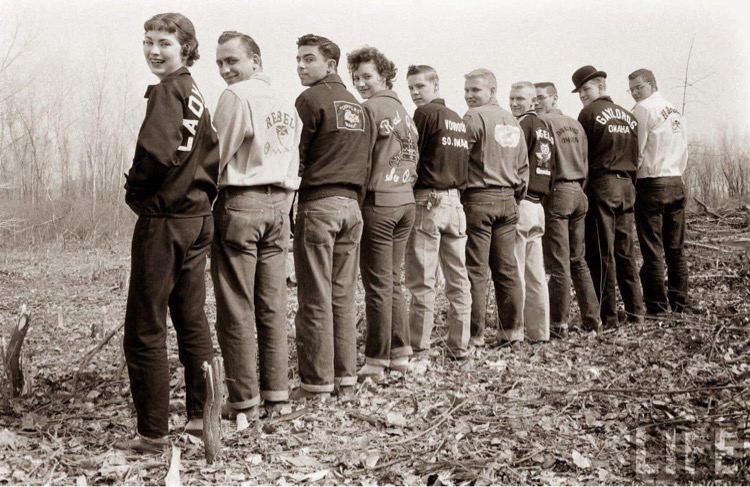
That was however largely this side of the pond. In the US the decent started earlier in the decade, with most likely the tipping point being in November 1963 and the assassination of the liberal John F Kennedy. His successor Lyndon B Johnson lit the Vietnam touchpaper the following year, when he increased troop levels from a modest 10,000 to some 184,000 with numbers increasing throughout his Presidential tenure until it ended in 1969 to little or no success. A path latterly followed by Nixon who replaced ground troops with aerial bombardment and ultimately surrender as its human toll was simply too great to be stomached anymore, by the American public, and the World in general.

All the while this was happening half a world away the streets of America were ranging from underlying conservative disquiet at a creeping long-overdue change in American society to outright riots at the lack of this pace of change. Beacons of this change like the radical Malcom X, the pacifist Martin Luther King and even the younger Kennedy brother Robert all fell victim to the assassins’ bullet and with them some of the hope they carried. Those kids less affected by the threat of the draft (generally wealthier and white) and the riots on the streets did what all kids did and ignored the wider troubles in the world and concentrated solely on themselves. Nothing else mattered, until Daddy took the T-bird away.

White counter-culture between the tentative Beatnik steps of Kerouac and Ginsberg and the West coast hippy invasion and a larger world consciousness was centred around predominately wealthy college kids whose emancipation was still very conservative. Largely unaffected by class (certainly in the way kids in the UK were) they were products of a time when America was still a very wealthy and self-sufficient nation, rich in natural resources. Class, such as it was, was comparative to wealth. Those with the most attended Ivy League colleges with its ultra-traditionalist styles. The majority of the rest were still reasonably wealthy, especially compared to their UK counterparts. Combined with the commercialisation of teenagers as product via music and movies it was no wonder kids this side of the pond looked to what was still perceived as the ‘promised land’ (as opposed to this ‘green and pleasant’ one!) and wanted all that their American counterparts had.

Youth culture US style was very localised and pretty much depended on whereabouts in the country you lived. TV, Teen-movies, Rock n Roll and its idols were the spark that spread the sartorial word on the street from James Deans iconic red Harrington jacket (although ironically a named coined in the UK) to Elvis cod-zoot suit stylings.

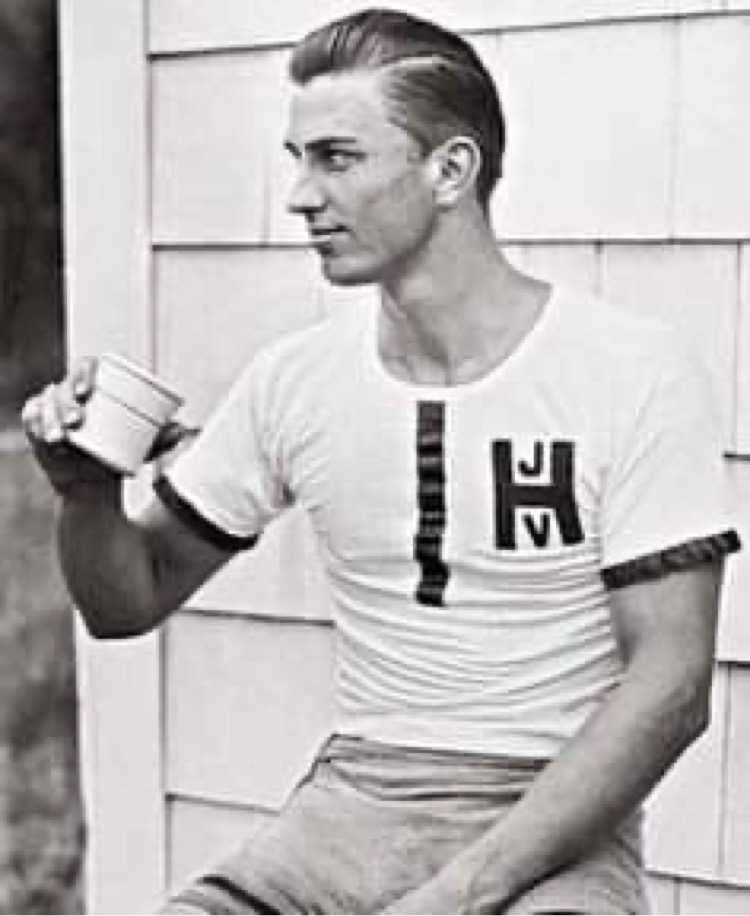
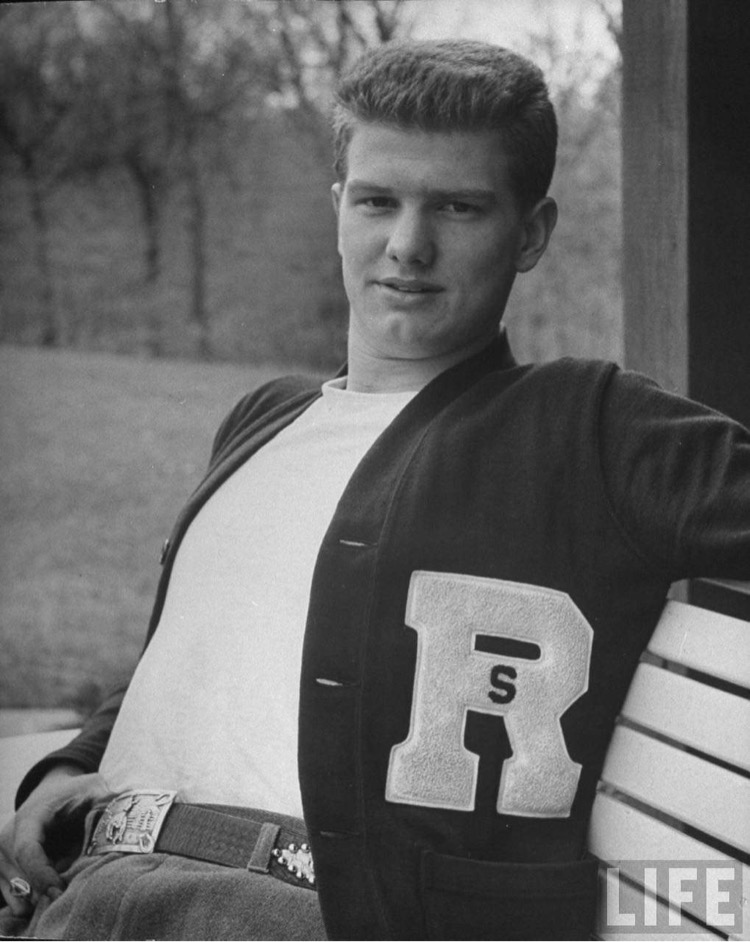
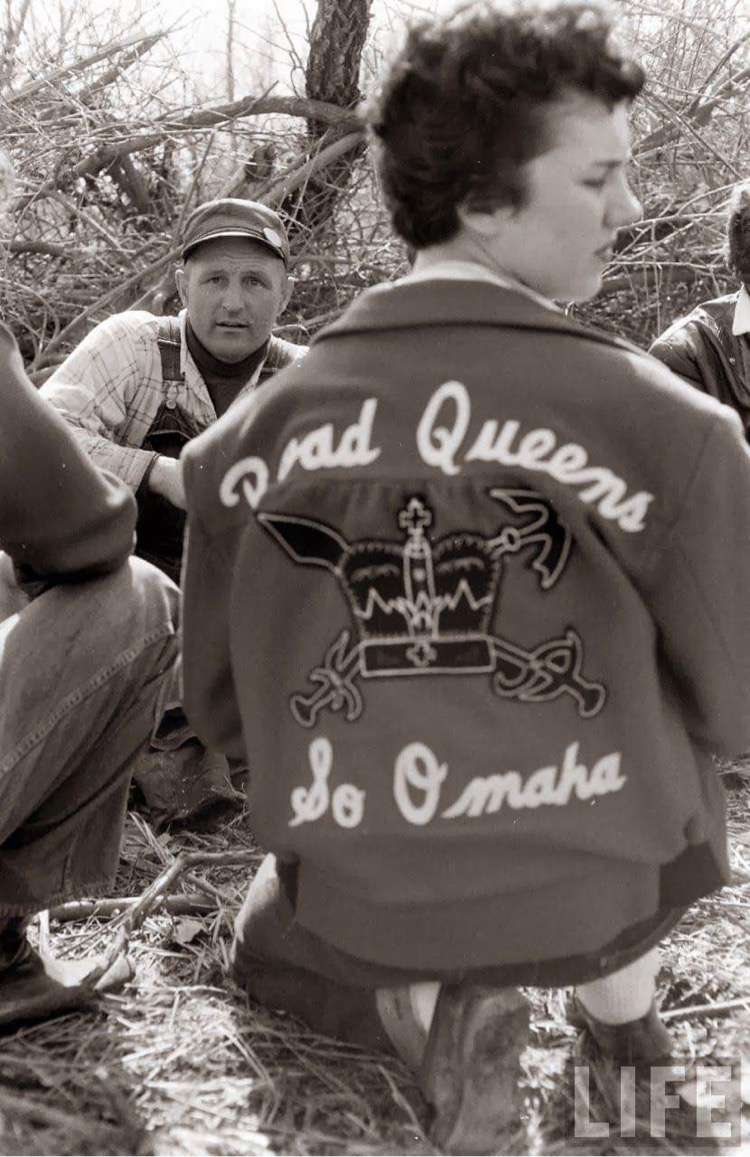
True counter-culture was rare. Ivy styling was only every subversive when black Jazz musicians like Miles Davis appropriated it. Varsity clothing such as Letterman jackets and jumpers were common. Baseball jackets either in bold coloured satin or wool bodied with contrast leather sleeves were popular. Monogrammed by local college or high-schools. America was a land of contest. State against state, town against town, school against school; these things mattered to the locale, as it did to their fathers and their fathers before them.

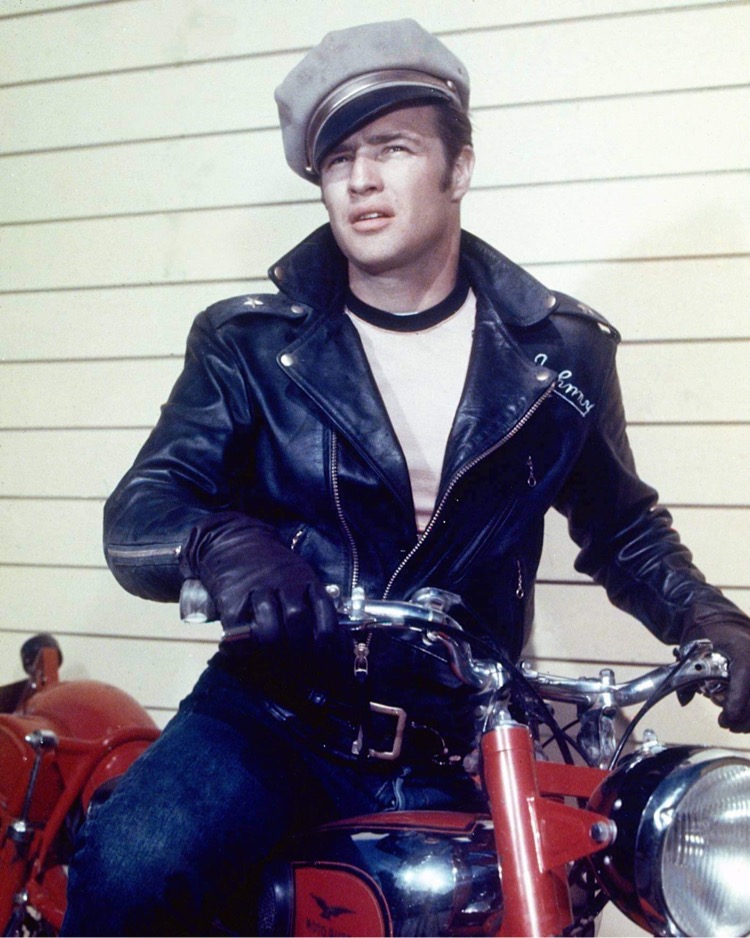
Post war motorcycle gangs sprang up – Wild One Marlon Brando whose pristine white beefy cotton tee was offset by a top-to-toe leather outfit was latterly aped by Rockers in the UK. American bikers however were often ex-servicemen and would have been nearer 40 than in their teens by the time the Sixties came. Their mechanical skills honed in the forces kept them on the road. They’d seen too much in War-torn Europe and subsequently Vietnam to be able to settle in such a benign normality again. Hot Rodding would be popular but despite its ‘out-law’ status such modifications and paint-jobs would not have been cheap, no matter how good a grease-monkey you were. Even in a land where petrol was possibly cheaper than anywhere else on the planet. In a country the size of America cars would have been a necessity, with money in pocket and the burning desire to outdo your rivals ingrained its easy to see how the craving to go faster or look better fuelled the culture.

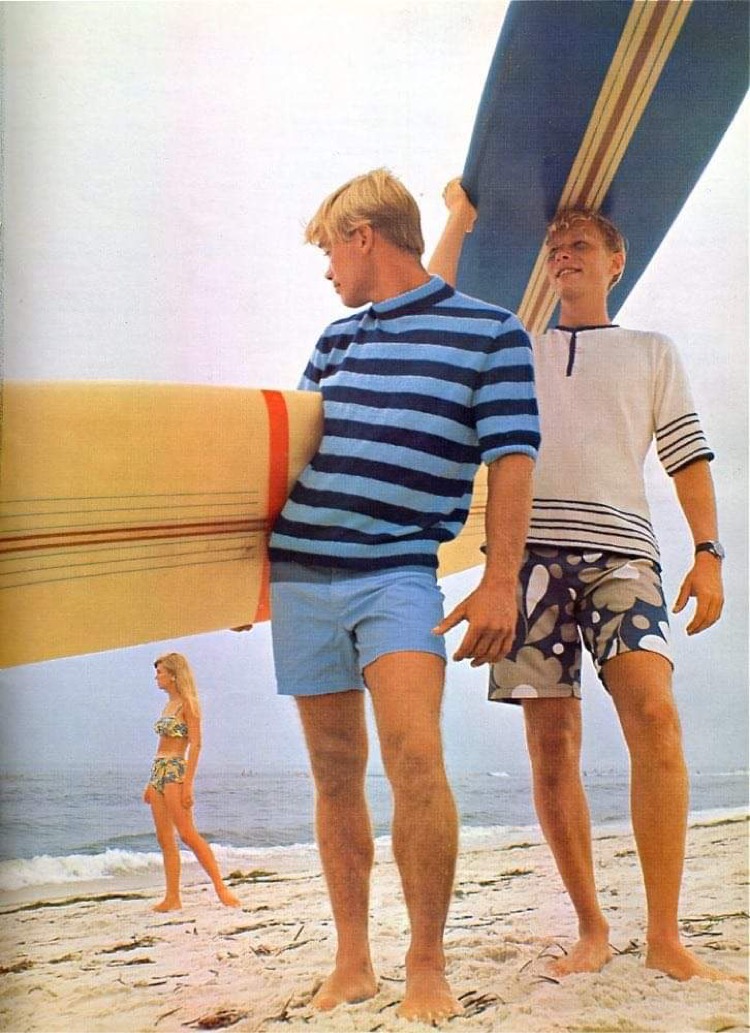
Outside of the cities where a more genuine counter-culture lurked in seditious basement clubs and away from the tarmac expanses in between, perhaps the only other youth cult that existed that also had mass appeal was the long-board surfers of the Californian coasts. Depicted as sun-kissed, buff Adonises; all perfect teeth with a blonde-haired bikini-clad girl on each arm in a series of Beach-Party movies their looks captured the imagination on both sides of the Atlantic. ‘Surfer’ jackets with elasticated cuffs and collars often in contrasting colours. Hawaiian shirts and Tiki patterns were popular reflecting the heritage of surfing (largely from Polynesian islands) as well as Batik print which had a more Asian look to it.

It also had a feel of something new. Surfing’s introduction into the US was still fairly recent and it was something that youth, at least those on the coast, could own that their parents mostly couldn’t understand. It had a genuine rejection of more standard US desire for conformity, in a way most small-town America lacked. It was cheaper to take part for one thing and relied less on funding either via parents or work. Out of this grew a scene that produced its own music. Initially it was very instrumentally led; primal, pounding drums and a heavy reverb and vibrato guitar popularised by the likes of Link Wray and Dick Dale and the Del-Tones. Perhaps best known are the tunes Walk Don’t Run by The Ventures and the classic Wipe Out by The Safari’s – Wipe Out being a term for falling of a surf board.

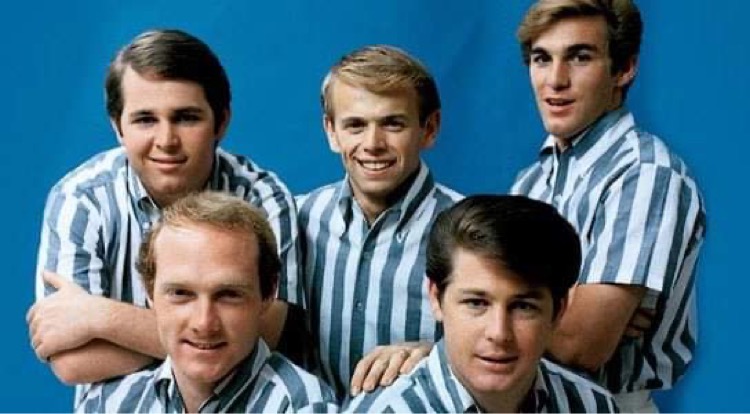
Following the successes of the instrumental groups were vocal groups such as Jan and Dean and most famous of all The Beach Boys. The Beach Boys appropriated Chuck Berry rhythms and married multi-part harmonies to tales of surfing nights, hot girls, cool parties and subsequently hot-rods, broadening their appeal, and defined a US youth culture that was adopted back here in the UK after an appearance on flag-ship programme Ready Steady Go in early 1964. Performing the catchy I Get Around before being interviewed their Candy striped short-sleeve shirts, bold striped tees and baseball boots were quickly adopted by the Mods in the audience both in the studio and at home watching, who also had cuts of surfers and bikini-clad girls intercut into the performance to really drive home just how idyllic this new scene must be.

The surfing fad like most that the Mods adopted here in the UK was probably short lived but it helped fuel a more casual street look of Tee shirts, Harrington’s and sneakers that it retained until its ‘demise’ as the pre-eminent youth cult at the hands of another West Coast import. But, by this time the Sixties, the decade that promised so much, was a fading dream… it just took a while longer here before we realised.